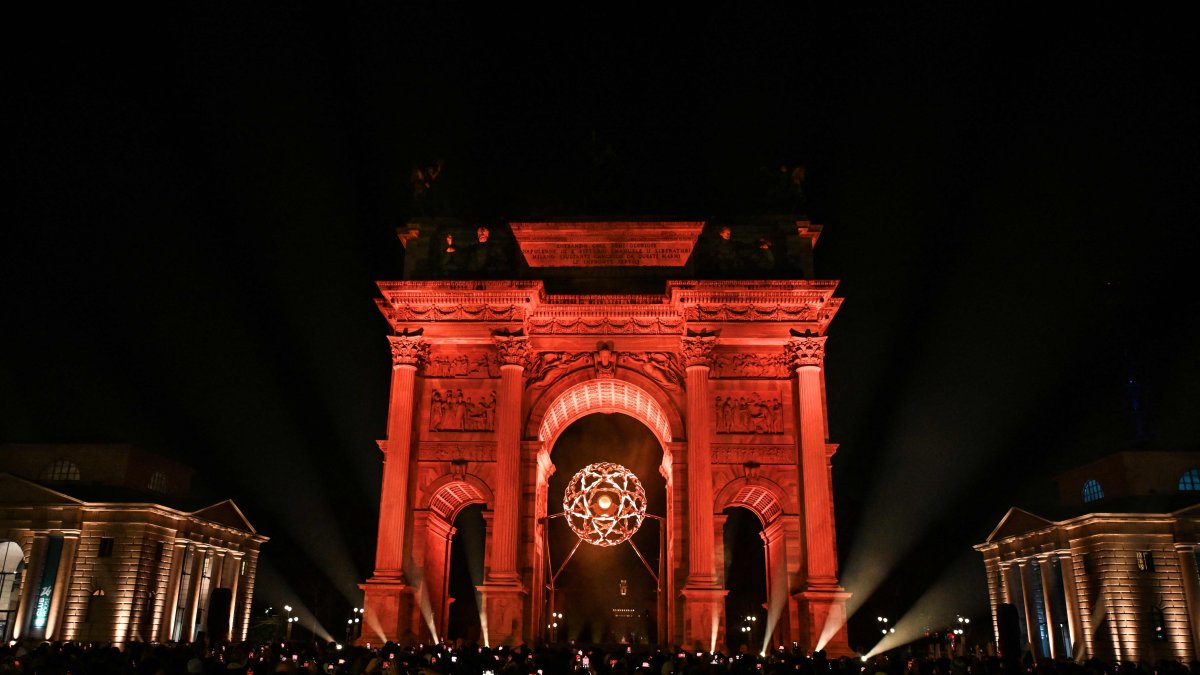
Italian Flair & Future Vision: A Memorable Winter Olympics 2026 Closing Ceremony Review
As the final snowflakes settled on the exhilarating 2026 Winter Olympics, the world turned its gaze to Italy one last time for a truly unforgettable winter olympics closing ceremony. Held within the ancient, hallowed walls of the Verona Arena, this grand finale was not just a farewell but a vibrant celebration of Italian culture, athletic achievement, and a promising glimpse into the future of the Games. After 17 days of breathtaking competition, 2900 dedicated athletes, and the awarding of 116 gold medals, the curtain fell on what many deemed a resounding success, despite the inherent complexities of hosting such a global spectacle.
A Spectacle of Italian Elegance and Innovation in Verona
The choice of the Verona Arena as the venue for the winter olympics closing ceremony was nothing short of inspired. This majestic Roman amphitheatre, steeped in millennia of history, provided an evocative and dramatic backdrop that instantly elevated the event. Its ancient stones bore witness to a captivating blend of Italy’s rich artistic heritage and its vibrant contemporary spirit, perfectly encapsulating the theme of "Italian Flair and Future Vision."
The ceremony commenced with high opera, a quintessential Italian art form that enveloped the arena in soaring melodies and dramatic emotion, setting a tone of grandeur and timelessness. This classical elegance was then seamlessly interwoven with modern performances, showcasing Italy's dynamic cultural landscape. Audiences were treated to electrifying sets from renowned musical acts like Gabry Ponte, Achille Lauro, Major Lazer, and Gloria Campaner, whose performances transformed the historic venue into a pulsating hub of energy. Famed Italian actress Benedetta Porcaroli also graced the stage, adding a touch of cinematic charm and theatrical grace.
Beyond the headline acts, a series of artistic elements unfolded. Interpretive dance segments explored profound themes, including a moving tribute to those no longer with us and a poetic journey through the various states of water – a fitting motif for the Winter Games, predominantly celebrating ice and snow. This innovative fusion of traditional and modern artistry truly highlighted Italy's capacity to honour its past while boldly embracing the future, leaving a lasting impression on viewers worldwide.
Honoring Heroes: Athletes, Volunteers, and Lasting Legacies
At the heart of any Olympic Games are its athletes, and the winter olympics closing ceremony provided a final opportunity to celebrate their extraordinary achievements and unwavering spirit. As tradition dictates, the last set of medals were awarded in the stadium, adding to the palpable excitement. Swedish cross-country skiing sensation Ebba Andersson received her gold for the women's 50 km mass start, a testament to her endurance and skill. The men's event saw an incredible display from Norway's Johannes Høsflot Klæbo, who not only secured another gold – his sixth of the Games – but also led a remarkable Norwegian podium clean sweep, solidifying his status as one of the standout performers of Milan-Cortina 2026. Athletes like Kaori Sakamoto, Mikhail Shaidorov, and Hilary Knight, among other Olympic headliners, took another well-deserved turn in the spotlight, their faces beaming with pride and accomplishment.
Yet, the Games’ success wasn't solely built on athletic prowess. A poignant montage highlighted the countless volunteers whose tireless efforts ensured the smooth operation of events across the geographically diverse venues of Milan and Cortina d'Ampezzo. Their dedication, often behind the scenes, proved invaluable in managing the intricate logistics, embodying the true Olympic spirit of service and community. These unsung heroes are an indispensable part of what makes the Games possible, transforming complex challenges into seamless experiences for athletes and spectators alike.
For more details on the incredible athletic feats and the overall wrap-up of the Games, you might enjoy reading From Klaebo's Golds to French Alps: 2026 Winter Olympics Wrap-Up.
The Torch Passes: From Milan-Cortina to the French Alps 2030
A pivotal moment of any winter olympics closing ceremony is the official handover, symbolizing the continuity of the Olympic movement. International Olympic Committee (IOC) President Kirsty Coventry, joined by various dignitaries, addressed the global audience. Despite a challenging tenure marked by significant political hurdles – including a difficult decision regarding a Ukrainian skeleton athlete – Coventry maintained a resilient and optimistic demeanor. She eloquently reinforced the IOC's commitment to ensuring the Olympic Games remain a "space where athletes can inspire the world through sport freely, safely and proudly" before officially declaring the Games closed.
With those words, and to the accompaniment of high opera, the iconic Olympic flame was gradually extinguished, its light fading in a powerful, figurative sense, signifying the conclusion of the Milan-Cortina Games. The Olympic flag was then ceremoniously lowered and passed to beaming representatives from France, the proud hosts of the next Winter Olympics in the French Alps in 2030. As the French flag was raised, a brassy, somewhat subdued rendition of ‘La Marseillaise’ played, gradually building momentum, offering a taste of the passion and grandeur that awaits in four years' time.
This traditional handover serves not only as a symbolic gesture but also as a practical bridge, allowing the spirit of the Games to travel forward. The anticipation for the 2030 Winter Olympics in the French Alps is already building, promising another captivating chapter in Olympic history.
More Than Just a Farewell: Enduring Spirit and Future Hopes
The winter olympics closing ceremony is far more than a simple formality; it's a profound ritual that brings together diverse cultures in a shared moment of reflection and anticipation. The 2026 ceremony in Verona was a testament to Italy's ability to host a truly memorable event, balancing logistical complexities with cultural richness and technological innovation. It proved that even in an era of global challenges, the Olympic spirit remains undimmed, offering a platform for unity, sportsmanship, and human excellence.
The blend of ancient traditions and modern spectacle served as a powerful reminder of how the Games continually evolve, embracing new forms of expression while staying true to their core values. For future host cities, the Milan-Cortina 2026 closing ceremony offered a masterclass in leveraging unique national identity and historical venues to create an immersive and emotionally resonant experience. It demonstrated that by infusing local flavour, from opera to Eurodance, and by honouring every participant – from gold medalists to tireless volunteers – a closing ceremony can leave an indelible mark, inspiring generations to come.
As the cheers faded and the last dignitaries departed, the enduring message was clear: the Winter Olympics continue to be a beacon of hope, inspiring millions and fostering connections across borders. The journey from Milan-Cortina to the French Alps is already underway, promising new stories, new heroes, and new moments of awe.
For a deeper dive into the spectacle and the full handover event, explore our article: Winter Olympics Closing Ceremony: Italian Spectacle & Handover to 2030.